
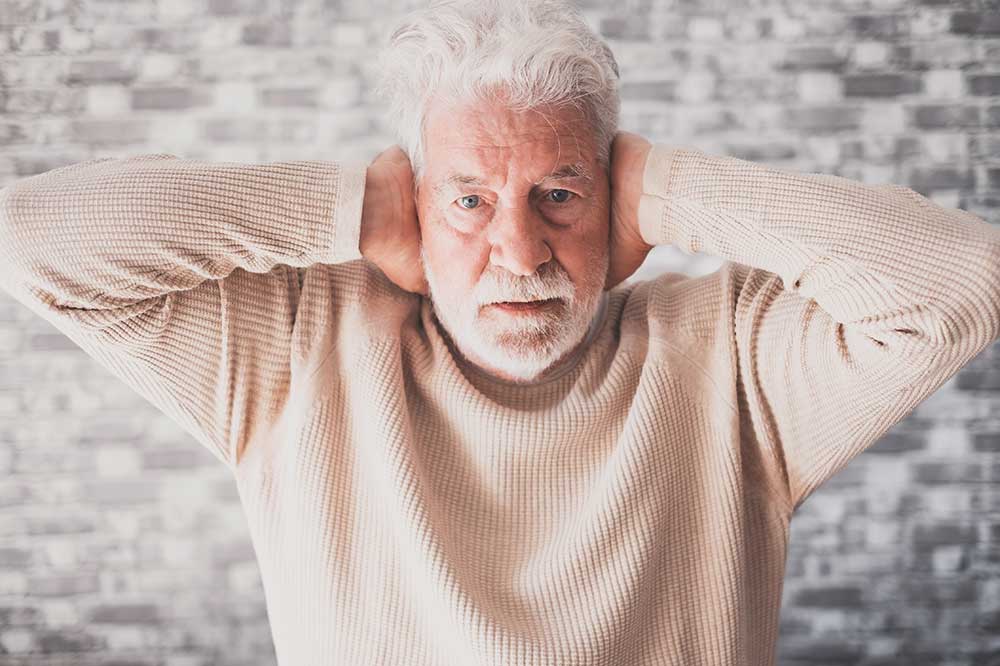
When one ear feels stuffed up, the TV, the phone, and even your own voice can sound like they’re coming through a wall. It’s even more confusing when you check and find no earwax to blame. At Parkside Audiology on Henderson Boulevard in Tampa, our team of doctoral-level audiologists can test your hearing, look for the reason behind the fullness, and help you find appropriate care for the underlying issue.
Pressure problems, fluid buildup, and changes in hearing are the usual suspects. Our audiologists can also help you choose safer home measures and recognize when a blocked feeling needs prompt medical attention.
Why Can Your Ear Feel Blocked Even When the Canal Looks Clear?
Your ear can feel blocked with a clear canal because the problem often sits deeper, as pressure behind the eardrum, fluid in the middle ear, or another condition affecting hearing. Ear fullness is a symptom rather than a diagnosis, so the cause has to be identified.
Eustachian tube dysfunction is a common culprit. Each eustachian tube links the middle ear to the back of the nose, equalizing pressure and draining fluid. Colds, allergies, and nasal inflammation can interfere with that job, and flying or changing altitude can also create a pressure imbalance.
Middle ear infections may cause fullness, and fluid can also stay behind after an infection clears. Jaw joint problems can produce a similar sensation, especially with jaw pain or clicking. Inner ear conditions, including Ménière’s disease, may cause fullness alongside hearing changes, ringing, or vertigo.
Not seeing wax yourself does not rule out a deeper blockage. An examination helps establish what is actually causing the sensation.
How Do You Know if Eustachian Tube Dysfunction Is the Culprit?
Eustachian tube dysfunction (ETD) is a likely culprit when ear fullness comes with muffled hearing or popping and tends to flare with colds, allergies, or air travel. ETD can affect one or both ears, and the trouble may start during a cold, rise and fall with allergy season, or show up mainly on flights and other pressure changes. Signs to watch for include:
- Fullness or pressure inside the ear
- Muffled hearing or an underwater sensation
- Popping, clicking, or crackling sounds
- Ear discomfort or pain
- Ringing in the ears
With obstructive ETD, the tube does not open adequately, making pressure equalization and fluid drainage difficult. Another form, called patulous ETD, occurs when the tube stays open too often. When this happens, your own voice or breathing may sound unusually loud.
Because these forms call for different approaches, repeatedly trying to “unblock” an ear is not always helpful. Hearing tests that include tympanometry can help clarify whether pressure or another issue is involved.
Which Do-It-Yourself Steps Can Unclog Ears Without Causing Harm?
Gentle steps that help the eustachian tubes open can unclog ears safely when mild fullness follows a cold or a pressure change. Try these:
- Swallow frequently or take small sips of water.
- Yawn gently to encourage the eustachian tubes to open.
- Chew sugar-free gum if it does not aggravate jaw symptoms.
- Use a saline nasal spray to ease nasal congestion.
Some people benefit from gentle pressure equalization: close your mouth, pinch your nostrils, and blow very lightly. Never force it, and stop if it hurts or causes dizziness. Ask one of our audiologists first if you have an ear infection, drainage, a known eardrum perforation, or recent ear surgery.
Skip cotton swabs, ear candles, and attempts to flush the ear when the cause is unknown. Earwax drops cannot remove fluid behind an intact eardrum, and if wax does turn out to play a role, professional earwax removal is the safer route.
When Is a Clogged Ear Worth a Visit to a Tampa Audiologist?
Seek immediate medical evaluation if an ear suddenly feels blocked and your hearing becomes muffled or reduced, especially on one side. Sudden sensorineural hearing loss can feel like congestion or wax, even without pain. Treatment is time-sensitive, so do not wait for home remedies to work.
Prompt care is required for severe ear pain, drainage, fever, significant dizziness, or symptoms after an injury or sudden pressure change. These findings may indicate infection or damage.
Book a visit with a Tampa audiologist if fullness keeps returning, interferes with communication, remains unexplained in one ear, or does not improve as a cold resolves. Mild symptoms lasting more than two weeks also warrant evaluation.
Before your appointment, jot down when the sensation began and whether it changes with swallowing, altitude, jaw movement, or nasal symptoms. These details help guide your audiologist’s assessment.
What Options Do Audiologists and ENTs Use to Treat Ear Fullness?
Audiologists and ENTs treat ear fullness by addressing its cause, which can mean allergy care, infection treatment, watching middle ear fluid over time, or a procedure for problems that persist. Your audiologist may examine the ear canal and eardrum, perform hearing testing, and use tympanometry to evaluate middle ear function. An ENT may also assess the nose and the eustachian tube openings when appropriate.
Allergy treatment may include a nasal corticosteroid spray or an antihistamine when allergies contribute to symptoms. These medicines do not treat every type of ETD. Antibiotics may be needed for certain bacterial infections, but they do not routinely treat uncomplicated fluid buildup or viral congestion.
Fluid without infection sometimes improves with observation and follow-up. For persistent middle ear ventilation problems, an ENT may recommend an eardrum incision and ventilation tube. Balloon dilation may be considered for selected patients with chronic obstructive ETD. This procedure uses a small balloon to expand a narrowed section of the tube.
Jaw-related fullness may require dental or other targeted care. Inner ear disorders need their own treatment plan. Each option has limitations and potential risks, which you should discuss with your care team before proceeding.
Talk With Parkside Audiology’s Tampa Team About Ear Fullness
A clogged ear that won’t clear deserves a clear answer. At your appointment, our audiologists can review your symptoms, health history, and medications, test your hearing, and discuss which treatment or monitoring options fit your situation.
Call or text 813-686-6858, or contact Parkside Audiology to schedule a visit at our Henderson Boulevard office in Tampa.