
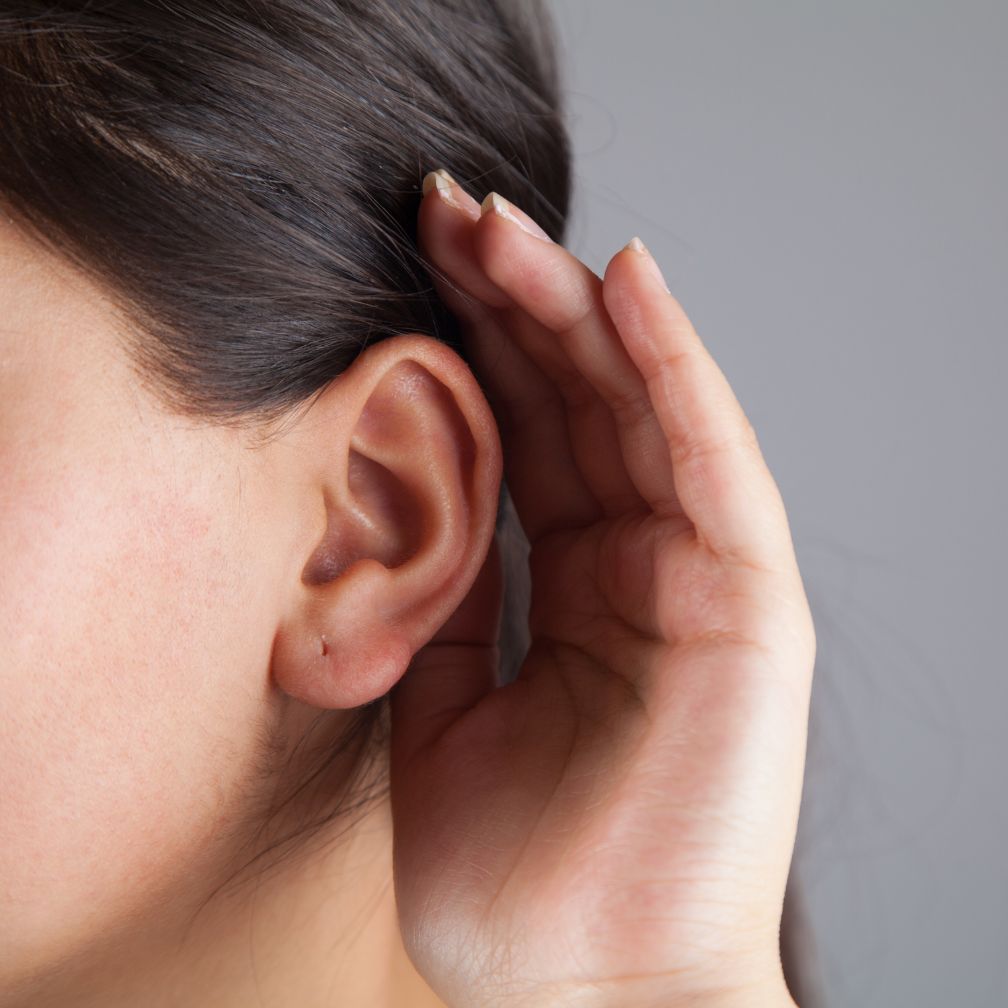
What is the source of that bizarre internal sound resembling continuous static or rushing wind inside your head? Why can’t anyone else hear it? Rest assured, this physical perception is definitely not a product of your imagination.
Happily, you are likely not suffering from “phantom ring syndrome,” a modern behavioral manifestation where excessive cellular device users falsely perceive incoming calls, vibrations, or alerts.
In most clinical scenarios, this localized baseline static is a direct manifestation of tinnitus. And yes, what you’re hearing is real, and there are some things that can make tinnitus worse.
While this background static is present, you can generally still decode the words of those around you. It just sounds like there’s some sound transposed on top of everything you hear.
Let’s analyze the physical mechanisms behind this internal white noise, discover its underlying causes, and outline actionable strategies to suppress or resolve it.
What is tinnitus & why do I hear this white noise in my head?
Physiologically, tinnitus typically serves as an early clinical warning sign of underlying hearing loss. It manifests as a perpetual or fluctuating sound profile that occupies the foreground of your sensory perception. Depending on the type of tinnitus you have, it may be unnoticeable most of the time. Or you may be saying, this white noise in my head feels deafening, threatening to take my sanity.
You have likely attempted to describe this exhausting sensory distortion to friends, but this particular manifestation of hearing loss is incredibly abstract to those with normal hearing.
How can this humming noise in my head not be there? This paradox leads many to worry if they are suffering from a central mental delusion or cognitive misfire. How can an invisible sound wave cause such a profound barrier when you are trying to comprehend spoken language from family members? Or sleeping?
Why Silence Paradoxically Amplifies Your Tinnitus Symptoms
You’ve probably noticed that the quieter it is, the worse your tinnitus gets. This occurs because the phantom signal inside your pathways no longer encounters any external acoustic competition; for instance, the average adult maintains absolute silence in their bedroom during sleep hours. They sleep with no television operating, no bedside audio streaming, and absolutely no masking noise whatsoever. Add to that the fact that you’re probably alone with your thoughts during this time, and when you start to notice the buzzing or humming in your ears, it turns into the only thing you can think about, making the symptoms seem even worse. Regardless of whether your specific symptoms involve low-frequency hums or high-pitched squeals, a perfectly silent evening environment provides the ideal clinical conditions for tinnitus to dominate your focus.
When Tinnitus Mimics Wind, Static, and Alternative Acoustic Textures
Not only does the disorder defy easy explanation to outsiders, but sharing notes with another patient can frequently muddy the waters. They could live with a pulsing beat while you hear steady white noise, a variance that often causes patients to falsely assume their own case falls outside the bounds of standard tinnitus.
However, statistically speaking, your symptoms are almost certainly a manifestation of the exact same condition. This is due to the reality that tinnitus is a highly polymorphic condition, expressing itself through a vast array of acoustic shapes depending on the individual. Common clinical presentations involve consistently tracking frequencies that mimic:
- The fuzzy roar of unchanneled television feedback
- A resonant, steady internal humming tone
- An active, vibrating internal buzz resembling an electrical current
- The classic, crystalline ringing tone deep within the ears
- Thumping
- Dial tone
In almost all instances, you are completely isolated in your perception of the tinnitus-induced white noise. So if you ask a primary physician to confirm your symptoms, they probably can’t. Out of medical necessity, your healthcare provider must rely entirely on your subjective self-reporting to establish the history.
This can cause people to feel invalidated by a doctor who doesn’t specialize in hearing loss.
To illustrate, an industrial steelworker named Thomas shared his story: “The moment that intense ringing initiated, I consulted my family physician. Although the clinician noted that it was likely a case of tinnitus, he didn’t seem to comprehend how destructive the noise was to my focus.’ He brushed off the symptom as though it lacked any real physical impact on my life. He mistakenly believed I could simply choose to ignore the frequency and completely failed to provide any therapeutic pathways or solutions.”
Partnering with a true audiology specialist resolves this sense of isolation, providing you with targeted clinical paths and specialized relief protocols. Frequently, the unique behavior of the phantom frequency serves as an anatomical roadmap, helping your doctor identify the perfect treatment.
When the Internal Static Matches Your Pulse: Understanding Pulsatile Symptoms
The process of explaining your symptoms to a clinician becomes further complicated by the sheer diversity of ways this neurological deficit expresses its presence. Consider a scenario where you perceive a fluid-like whooshing or a rhythmic thumping that beats in unison with your heart; this pattern points directly to a distinct condition called pulsatile tinnitus.
Fortunately, pulsatile tinnitus often yields a much higher cure rate than standard subjective tinnitus because it typically originates from identifiable structural health conditions, such as systemic hypertension or localized arterial narrowing.
This distinct vascular whooshing can stem from turbulent blood flow forcing its way through constricted cranial vessels, a physical phenomenon clinically identified as a bruit. It’s critically important to get this checked out and treated, as in rare cases, the whooshing sound could be a sign that you’re heading for a seizure or stroke, either of which could prove fatal.
Objective Tinnitus: When Your Doctor Can Audibly Detect the Sound
Tinnitus is a genuine – and quite annoying – condition. While traditional forms defy direct observation, rare presentations of vascular tinnitus enable a trained professional to utilize an amplified stethoscope to audibly track the internal murmur alongside you. It is vital to understand that this objective phenomenon is unique to circulatory-driven cases, a category that is statistically much rarer than standard neurological tinnitus.
Tracing the Roots of Your Head Static: Common Medical Causes
Statistically, the primary driver of chronic ear ringing is prolonged, repeated exposure to high-decibel environmental noise. This explains why the disorder is highly prevalent among professional musicians, concertgoers, and industrial laborers who operate within loud environments for consecutive hours over several years.
A variety of common career tracks expose the human ear to hazardous noise levels that routinely trigger chronic static, such as:
- Manufacturing Plant Operations – Being exposed to unshielded mechanical noise for long shifts slowly degrades your internal hair cells over a long career timeline. In addition to the sheer sound exposure, the intense physical pacing of factory labor drives systemic stress, which directly exacerbates the severity of your internal head static. Sufferers who work in proximity to a pneumatic riveter are exposed to one of the worst acoustic offenders in the world, pumping out 125 decibels—loud enough to cause instantaneous hearing destruction and life-long tinnitus.}
- Modern Farming – Don’t blame it on the roosters. While those loud, early-risers clock in at around 90 decibels, there are many things on the farm that are much louder. Tractors, combines, cherry-pickers, milking machines… all of these farming implements make a lot of noise. Need to repair the fence? Even your table saw can pump out over 85 decibels, which is damaging over long periods of time.}
- Pilots and Flight Crew – At a distance of 100 feet, a standard jet engine blasts a punishing 140 decibels directly into the environment. While aviation safety rules require pilots to wear defensive ear protection, operators of light aircraft are positioned inches away from the propulsion source. Traditional headsets cannot completely block out this massive volume of sound pressure, ensuring that a career spent in the cockpit often results in a slow, progressive decline in hearing acuity and secondary tinnitus.}
- Motorcycle Traffic Enforcement – You don’t need a badge to mount a motorcycle, but spending your entire working day atop a roaring engine exposes your ears to a toxic combination of motor exhaust and high-speed wind noise that induces chronic tinnitus. This identical sensory threat applies to operators of industrial snowmobiles and personal watercraft, though such vehicles are rarely part of a standard corporate job unless you work in an exceptionally adventurous field.}
- Bartenders and Service Staff – Trying to hear a customer call out an order over a crowded bar requires immense concentration from your brain’s processing centers. The background music in entertainment venues is frequently pushed to dangerous decibel levels, making it impossible to hear a person standing directly in front of you and forcing your ears to strain constantly against the noise. When the lounge features a live musical act or a club DJ, your hearing paths sustain identical structural wear to the performers on stage.}
In all of these instances, the tiny hairs inside the inner ear were damaged by constant exposure to loud noises. These hairs pick up sound and help the brain to understand what you’re hearing. Tragically, unlike your skin or bone tissue, these specialized sensory receptors lack the biological capacity to regenerate or repair themselves, leaving you with permanent deficits and a distorted auditory perspective.
What makes this strange noise in my head worse?
While sound exposure remains the primary cause, several everyday health and environmental variables can drive up the volume of your internal ringing.
- Mental Health Challenges – Living with generalized anxiety or depression creates a highly frustrating catch-22 scenario. The moment your stress or mood drops, your neurological sensitivity to the ear ringing spikes, which immediately causes your psychological distress to worsen in response.}
- Ignoring Your Body’s Warning Signs – Your ears possess natural defensive thresholds and experience physical discomfort when a room is too loud. Rather than simply enduring the painful volume, you must actively protect your auditory system, as these delicate cells cannot be replaced once destroyed.}
- Circulatory Stress – Neglecting your cardiovascular metrics can compromise the delicate arteries supplying your internal ear networks. This lack of proper blood flow causes immediate spikes in internal head noise and steadily worsens your overall hearing loss over subsequent years.}
- Smoking and Tobacco Use – The chemical dependency and restlessness that develops between nicotine doses directly amplifies your internal ear noises. While smoking another cigarette appears to calm the symptoms temporarily, it is actually accelerating the core damage by damaging the micro-vessels that support your hearing pathways.}
- Some foods – Some people find that caffeine and artificial sweeteners make tinnitus worse. Keep a food journal to track everything you eat, along with your tinnitus level, to find out which foods make your symptoms worse.}
- Social Environments – Interacting with highly critical or anxiety-inducing people can elevate your heart rate and worsen your ear static by provoking stress and depressive patterns. It is vital to audit your close relationships to protect your health, determining whether these connections are worth the toll they take on your auditory peace. Ultimately, you cannot control how other people act, but you have complete control over how often you interact with them.}
- Pregnancy – About a third of pregnant women experience tinnitus symptoms, which are often brought on by changes in their hormones and blood pressure, among other reasons.}
- Impacted Cerumen – A dense accumulation of earwax pressing directly against the tympanic membrane can distort sound and generate bizarre phantom noises. Securing a professional microsuction or debridement procedure to clear the wax can, in many instances, instantly eliminate the ringing.}
- Medications and Over-the-Counter Drugs – Certain prescription opiates, specialized antibiotics, high-dose diuretics, oncology drugs, and routine retail pain relievers possess well-known ototoxic properties that trigger or worsen tinnitus. You should actively discuss your medication list with an ear specialist and your general doctor to discover safer alternatives and mitigate these side effects.}
Overcoming the Static: Proven Therapeutic Approaches for Tinnitus Relief
If you have an underlying condition, talk to your doctor. Certain medical profiles act as direct amplifiers for ear static, especially chronic panic disorders or uncontrolled hypertension.
Once any known medical condition has been treated, it’s time to look at other options. Proven management modalities encompass choices such as:
- Meditation, Yoga, or another relaxing activity to reduce stress. Managing stress in a healthy way without substances isn’t something that most people learn at home or in school. Many people choose to learn them because they find that these techniques work.}
- Nocturnal Audio Camouflage – Utilizing soft, steady background static while you rest offers instant relief by reducing the contrast of the internal ringing. Make sure you never make the mistake of trying to completely submerge the symptom with loud earbuds or high-decibel environmental noise. That counterproductive habit will only accelerate your permanent hearing loss and increase the intensity of your symptoms as time goes on.}
- Therapeutic Hearing Instruments – Contemporary assistive listening devices can be customized to actively mask or cancel out the internal static. Today’s hardware is equipped with cutting-edge software suites designed specifically for targeted tinnitus suppression. Your hearing care professional can program these microcomputers during your initial fitting to match and nullify the exact pitch vibrating inside your head.}
- Sound treatment, which trains your ear to ignore the sound. Sound therapists emit a sound into your ear that mimics the sound you hear. It teaches your brain to ignore the sound and focus on other sounds, like voices.}
- Cognitive Behavioral Therapy (CBT) – This specialized behavioral methodology gives patients the tools required to break free from anxious obsession and hyper-vigilance. If you are stuck in a habit of tracking negative life events or worrying about uncontrollable global issues, a CBT protocol can help. It provides the neurological retraining needed to anchor your focus on positive milestones and personal goals, effectively lowering the emotional stress that intensifies your ear ringing.}
The Reality of White Noise Therapy: Management vs. Cure
You might wonder if the concept of fighting fire with fire applies to your ears, specifically using physical white noise to fight phantom white noise. A major clinical trial recently conducted in the United Kingdom revealed that while ambient acoustic masking provides substantial relief to sufferers, it must be combined with comprehensive behavioral therapies to deliver long-term results.
The honest clinical reality is that a permanent cure for this condition has not been discovered, meaning our medical goals focus on deploying specialized treatments to help you control and cope with the condition.
Given these facts, what are your best immediate options for addressing your ear ringing? Your absolute highest priority should be to secure a professional hearing evaluation from an expert. An evaluation will provide clear data showing how severely the background hum is compromising your ability to follow along when family members speak. Armed with that objective audiological data, you can collaborate with your local ear specialists to build a customized treatment framework.
Understanding Auditory Pareidolia: Why You Might Hear Music or Voices in Static
If you are perceiving distinct melodies or spoken words within raw static, you are likely dealing with a phenomenon separate from standard tinnitus. Please do not worry or panic over this development, as it is completely unrelated to schizophrenia or alternative serious mental health conditions. The scientific explanation for this sensory trick is a benign condition known as Musical Ear Syndrome, cross-sensory apophenia, or standard audio pareidolia. Your mind is hardwired for intense structural processing, meaning it will aggressively scan unshaped noise in an effort to synthesize familiar audio forms. In a sensory vacuum, your neural loops can inadvertently misinterpret raw frequencies, creating an elaborate acoustic illusion. To define it simply, auditory pareidolia occurs when your brain takes random, chaotic noise fragments and forces them into a recognizable template from your memory, such as a familiar song. Alternatively, if you perceive vivid songs playing when your immediate surroundings are completely devoid of any real-world sound pressure, you are likely navigating a benign musical hallucination.