
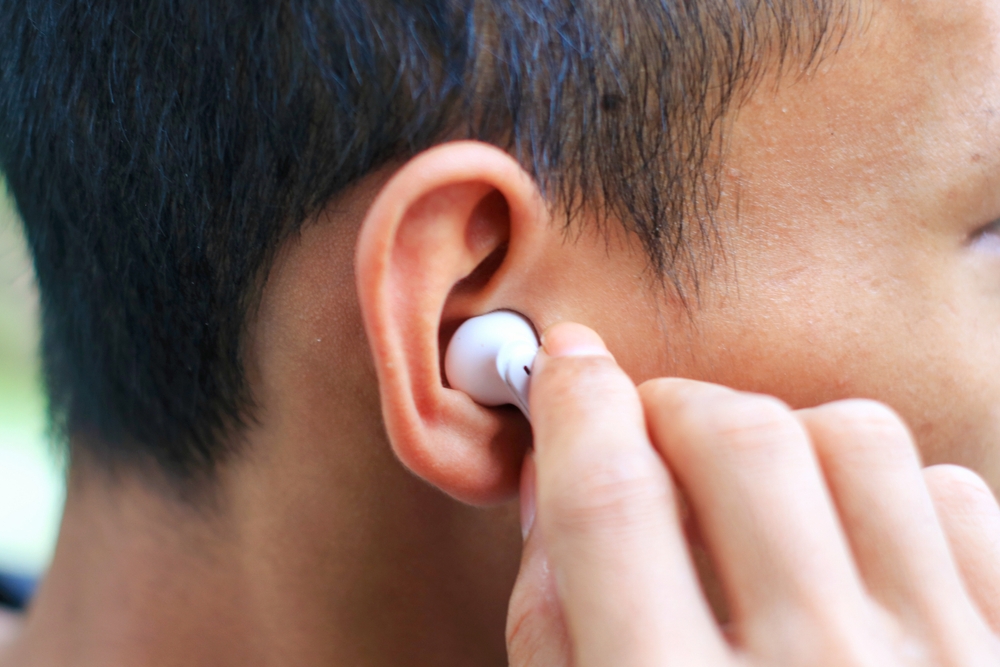
It is increasingly uncommon to observe a young adult in a public setting without an earbud in place. Though over-ear headphones are more bulky, the younger demographic still relies on them for environmental isolation. While acoustic enjoyment is universal across all ages, the youth population often utilizes music as a primary tool for time management. Given their intimate position near the eardrum, are these devices a legitimate threat to our hearing? The danger is not inherent to the technology but is instead a product of specific usage habits.
When Healthy Listening Becomes Hazardous
Acoustic stimuli can act as a sedative, an emotional balm, or a powerful stimulant depending on the tempo. Depends on the music. Using a headphone or an earbud is a polite way to listen without disturbing others. Most individuals view this as a positive etiquette, especially within the confined spaces of a bus or train.
The real questions are: how loud is too loud, and how long is too long? It is well-established that loud noise, regardless of the source, can compromise your long-term hearing sensitivity. When you listen for too long a time and at a very loud volume, you can irreparably damage your hearing. Hearing loss occurs gradually, so by the time you realize what’s happening, it may be too late.
Why Earbuds Pose a Unique Threat to Hearing Health
Sound pressure level is the primary variable in the development of **NIHL**. Yet, we must remember that the length of time spent listening is equally important as the decibel level.
- The National Institutes of Health advises that sounds under 70 decibels are generally safe for the human ear.
- The rate of auditory trauma increases exponentially as the decibel level rises.
- To protect your ears, utilize the 60/60 guideline: never exceed 60% power and rest after 60 minutes of use.
- Ensuring long-term hearing health requires a proactive reduction in volume and strict limits on listening time.
Recognizing the Symptoms of Auditory Damage
If you notice muffled speech, struggle with background noise, experience **tinnitus**, or constantly require others to speak up, a professional evaluation is necessary.
Contact our office today if you suspect you may have hearing loss.