
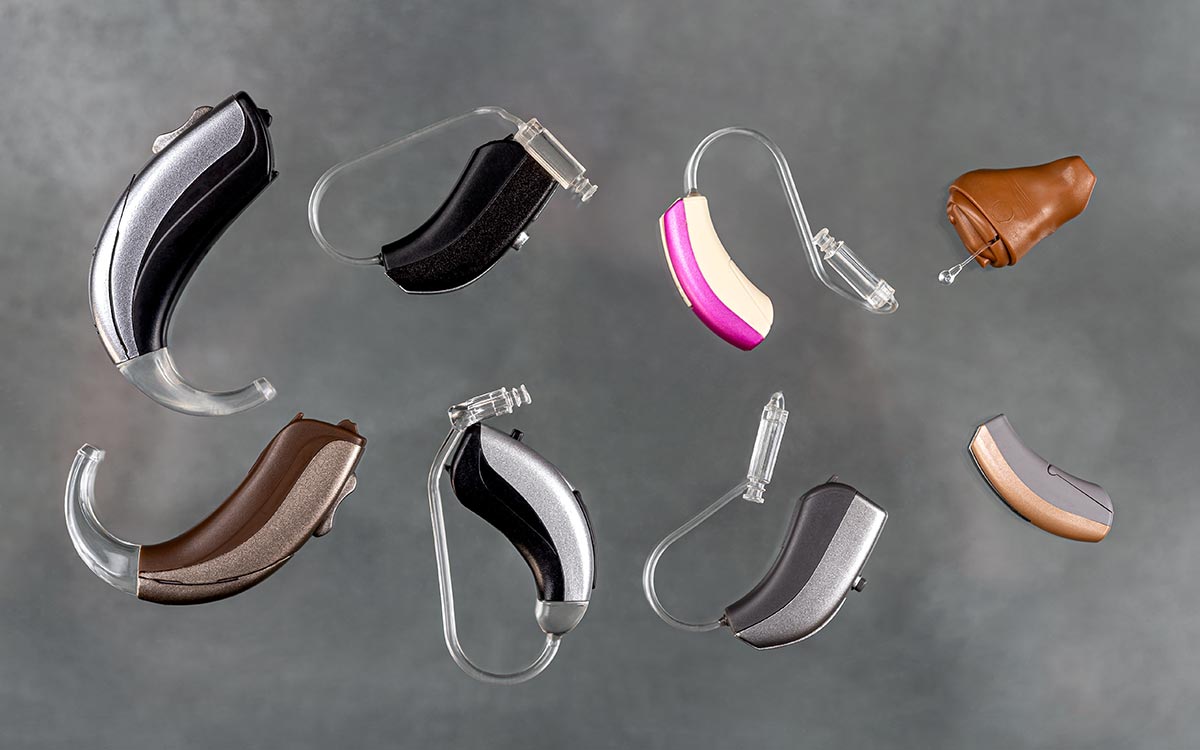
The sheer amount of hearing aid designs and technology levels on the market today can make the selection process feel complicated. Fortunately, there is an ideal hearing solution for every person, regardless of their lifestyle or the severity of their hearing loss or tinnitus. It’s all about discovering which model fits perfectly with your specific requirements.
Feeling positive about your choice begins with knowing how different hearing aids function and compare. In this analysis, we glance at current styles and the unique characteristics that define them.
Understanding In-the-Canal (ITC) Units
The Meaning:
ITC models are custom-fitted to sit within the ear canal, though a small part of the shell remains visible in the ear’s outer portion.
Key Selling Features:
- Less noticeable than standard full-size models
- Tailored to the unique shape of your ear
- Suitable for mild to medium hearing loss
First-time wearers frequently lean toward ITC aids because they strike a perfect compromise between size and performance.
Ultra-Discreet IIC Aids
How they work:
IIC models are the most miniature custom-fitted hearing solutions you can choose. They rest deeply inside the ear canal and are virtually invisible when worn.
Why they are favored:
- Highest level of invisibility for the wearer
- Microphone depth assists in mimicking the ear’s natural sound collection
- A feather-light design renders them easy to wear all day
IIC devices are primarily aimed at those with moderate hearing needs who want their technology to remain completely unnoticed.
Understanding In-the-Ear (ITE) Devices
What they represent:
A custom hearing aid rests securely within the outer ear, available in both full-shell and half-shell configurations. The shell is uniquely molded to the specific contours of your individual ear.
Why users favor this style:
- Larger size allows for more capabilities and longer battery life
- Great for individuals who find smaller devices hard to manipulate
- Capable of providing enough power for severe hearing needs while remaining in-the-ear
Users often select these units for their straightforward, single-piece construction that avoids any external wiring or tubing.
Exploring BTE (Behind-the-Ear) Styles
Technical Data:
BTE hearing aids rest securely behind the ear. Audio is sent through a thin tube or a personalized mold in the canal.
Common Reasons:
- Known for being exceptionally adaptable and robust
- Effective for almost every level of hearing impairment
- The size provides ample space for the latest connectivity features and rechargeable hardware
BTE devices are a wonderful choice for individuals seeking reliability, ease of use, and strong amplification.
RIC (Receiver-in-Canal) Overview
Design Specs:
While they match BTE units, RIC aids place the speaker directly in the canal for better sound delivery.
Key Pros:
- Provides an exceptionally crisp and lifelike listening experience
- Offers an incredibly low-profile appearance that is comfortable for almost everyone
- A versatile choice that works for various degrees of auditory needs
RIC units are extremely common today because they balance appearance with powerful functionality.
Understanding Extended-Wear Solutions
Overview:
A hearing specialist inserts these specialized hearing aids deep into the canal, where they stay for multiple weeks.
The Appeal:
- Provides an effortless experience with no daily maintenance required
- They are virtually impossible for people to notice because of their depth
- Built to endure the rigors of sleep, exercise, and showering without being removed
These models are the ultimate option for an effortless, seamless hearing experience.
Connected Hearing Solutions
Functionality:
These are modern units equipped with wireless technology to sync with your personal electronics and televisions.
Why go wireless:
- Enjoy direct audio streaming from your phone or TV right into your ears
- Gives you the ability to fine-tune your volume and programs via a smartphone app
- Provides the ultimate in convenience for people who use smartphones regularly
Bluetooth options are accessible across many styles, including RIC, BTE, and some ITC models.
Understanding Middle-Ear Implant Technology
Procedure Info:
This technology requires a surgical procedure to place a device that physically stimulates the bones of the middle ear.
Why implants are used:
- Option for people who cannot use traditional hearing aids
- Great for users who suffer chronic irritation from standard molds
These devices require an exhaustive medical review by an ear, nose, and throat expert.
Your Path to Improved Sound
Since each hearing aid design has distinct assets, the best choice is based on your specific hearing needs, your daily activities, and your aesthetic goals. By consulting a specialist, you can investigate various models and see which one feels most natural to you.
Begin your path to better sound by setting up an auditory test now. This simple action is the foundation for improved hearing and better connections with those around you.
Sources:
https://www.mayoclinic.org/diseases-conditions/hearing-loss/in-depth/hearing-aids/art-
20044116
https://www.hearinglife.com/hearing-aids/types
https://www.nidcd.nih.gov/health/hearing-aids