
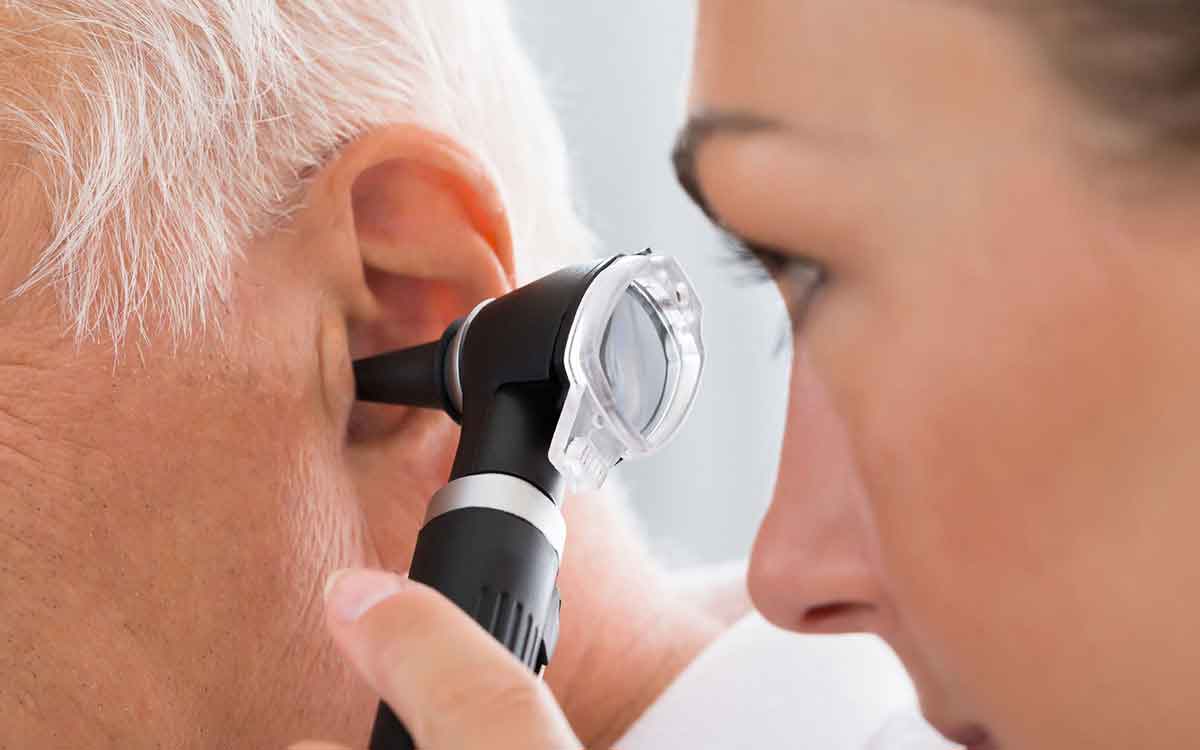
The subtle nature of hearing loss often causes preliminary symptoms to be ignored. It is common for people to adjust to hearing shifts by elevating device volume and steering clear of gatherings with significant background noise.
But detecting the early signs of hearing loss is a priority.
Frequent Indicators of Initial Auditory Decline
If you experience any of the listed clinical signs, it may be time to undergo an audiological screening.
- Impaired speech discrimination during dialogue in loud or crowded environments.
- Frequently requesting others to repeat themselves.
- Hearing indistinct vocal communication where sounds lack definition.
- Requiring increased decibel settings for media than is typical.
- Decreased perception of high-frequency acoustic signals like children’s speech or household alerts.
- Ringing, buzzing, or humming in the ears (tinnitus).
- Feeling cognitively fatigued after social interactions, resulting from the strain of auditory processing.
- Retreating from communal environments since following speech becomes difficult.
Initial auditory warnings could be unilateral or bilateral and might appear inconsistently at first. Because the brain adapts quickly, many people don’t realize the extent of their subconscious adjustments until hearing loss becomes more noticeable.
Statistical Overview of Global Auditory Health
Data from the World Health Organization suggests that a vast population will need auditory rehabilitation by mid-century. Other relevant statistics consist of:
- By 2050, approximately 2.5 billion people are expected to have various levels of hearing loss.
- More than five percent of the global community (roughly 430 million people) requires rehabilitation to manage significant hearing loss.
- More than 1 billion younger individuals are at risk of avoidable hearing loss due to unsafe listening practices.
- Among those aged 60 and older, over 25% have disabling hearing loss.
Why Timely Auditory Assessment Matters
Neglecting auditory decline can affect general health and daily wellness.
Research connects hearing loss with increased risks of social isolation, depression, impairment, and balance issues.
Managing symptoms early facilitates a broader range of interventions and better long-term outcomes.
A professional assessment identifies if hearing shifts are caused by noise damage, earwax impaction, or different medical factors.
Occasionally, hearing shifts are not permanent and can be effectively addressed.
In permanent cases, the early implementation of ear defense or hearing technology can help manage the condition.
Guidelines for Consulting an Audiologist
An audiological visit is suggested if you experience:
- Auditory symptoms remain present for more than several weeks.
- Auditory trouble begins to impact work or personal routines.
- Experiences with acute hearing loss, vertigo, or chronic tinnitus require prompt clinical attention.
Audiological evaluations are noninvasive procedures, offering deep insights regarding your ear health.
Reach out to our hearing clinic today if you believe you could benefit from a hearing evaluation.
Auditory Health FAQ: Initial Symptoms
Question: Is aging the sole cause of hearing impairment?
Answer: Not necessarily. Although presbycusis is prevalent, auditory shifts can stem from noise trauma, ototoxic drugs, or genetic factors.
Question: Are there cases where hearing loss is reversible?
A: Some causes, like earwax buildup or infection, may be reversible. While other forms are irreversible, they can usually be managed with professional treatment or hearing technology.
Q: How often should hearing be checked?
A: Adults should have a baseline hearing test by age 50, or earlier if symptoms or risk factors are present.