
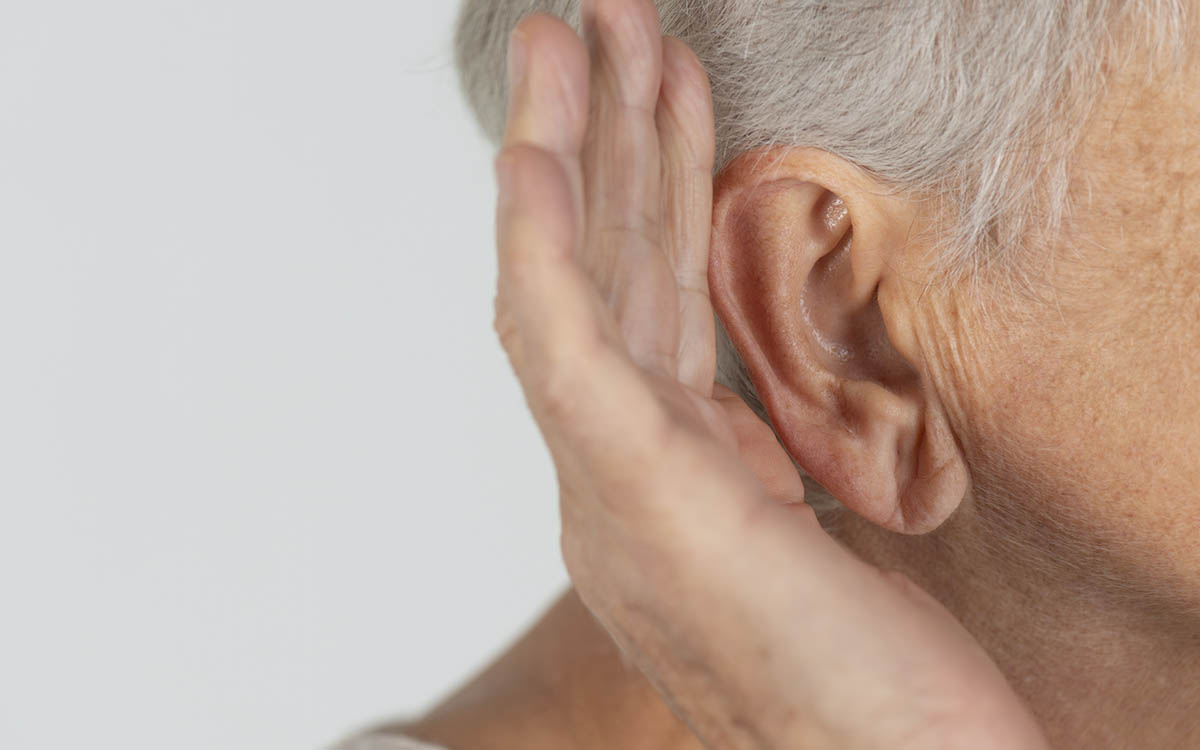
Commonly, clinicians link hearing loss to the aging process, yet for a vast number of citizens, ear injury manifests significantly sooner. Among the most frequent and preventable categories of auditory damage, noise-induced hearing loss frequently develops incrementally, but it often occurs gradually and goes unnoticed until the effects are permanent.
An objective understanding of noise-related auditory impact over time can help you protect yourself before substantial hearing loss manifests.
Establishing the Clinical Indicators of Acoustic Injury
Noise-induced hearing loss occurs when loud sounds damage the delicate structures inside the inner ear. The Centers for Disease Control and Prevention state that, sustained or frequent exposure to sounds exceeding 85 decibels, such as heavy traffic, can initiate auditory damage. More intense acoustic stimuli, such as power equipment or firearms, are capable of inducing auditory trauma in a matter of minutes.
The internal auditory system houses delicate sensory units termed hair cells. These cells convert sound vibrations into electrical signals that your brain interprets as sound. The inability of hair cells to regenerate after trauma explains why noise-induced hearing loss results in a permanent auditory deficit.
Analyzing the Advancement of Ear Damage
A primary clinical concern regarding noise-induced hearing loss is its typically slow rate of progression. Initial clinical indicators of sound-induced trauma may involve:
- Short-term episodes of Tinnitus or buzzing within the ears
- Sensations of dampened or muffled auditory perception following noise exposure
- Reduced ability to distinguish vocal communication in loud surroundings
The cessation of these early symptoms often leads to the false perception that the auditory system has fully healed. In reality, repeated noise exposure continues to injure inner-ear structures, slowly reducing hearing clarity and sensitivity over time.
The hearing loss Association of America estimates that 48 million individuals in the US suffer from hearing loss, frequently with unidentified etiology.
Hazardous Acoustic Triggers contributing to Auditory Trauma
The prevalence of loud sounds in daily life often results in a dangerous desensitization to harmful noise levels. Consequently, the frequency of hazardous noise exposure is often underestimated.
Typical noise-generating sources consist of:
- Venues featuring high-decibel live music
- Headphones played at high volumes
- Motorized landscaping equipment, power machinery, and vehicles
- Industrial workplace environments such as warehouses and construction sites
Since these noises are integrated into daily routines, cumulative damage often occurs without immediate clinical indicators.
Implementing Prophylactic Measures in Auditory Health
Noise-induced hearing loss is physiologically irreversible, unlike many other health impairments. However, it is highly preventable. Risk reduction can be achieved through fundamental protective habits, including:
- Using earplugs or noise-reducing earmuffs in loud environments
- Reducing personal audio volume and adhering to the 60/60 safety guideline
- Incorporating auditory rest periods to allow for physiological recovery
- Arranging for routine Audiology assessments if noise exposure is frequent
When to Schedule Clinical Audiology Services
The presence of chronic Tinnitus, impaired speech recognition, or altered auditory clarity warrants a professional Audiology consultation. Early intervention through an Audiologist allows for the monitoring and implementation of essential protective measures.
Protecting your ears today helps ensure clearer hearing tomorrow. While environmental noise is often inevitable, hearing loss is a preventable outcome. Contact us to coordinate a comprehensive evaluation and ensure your auditory system is functioning at its peak.